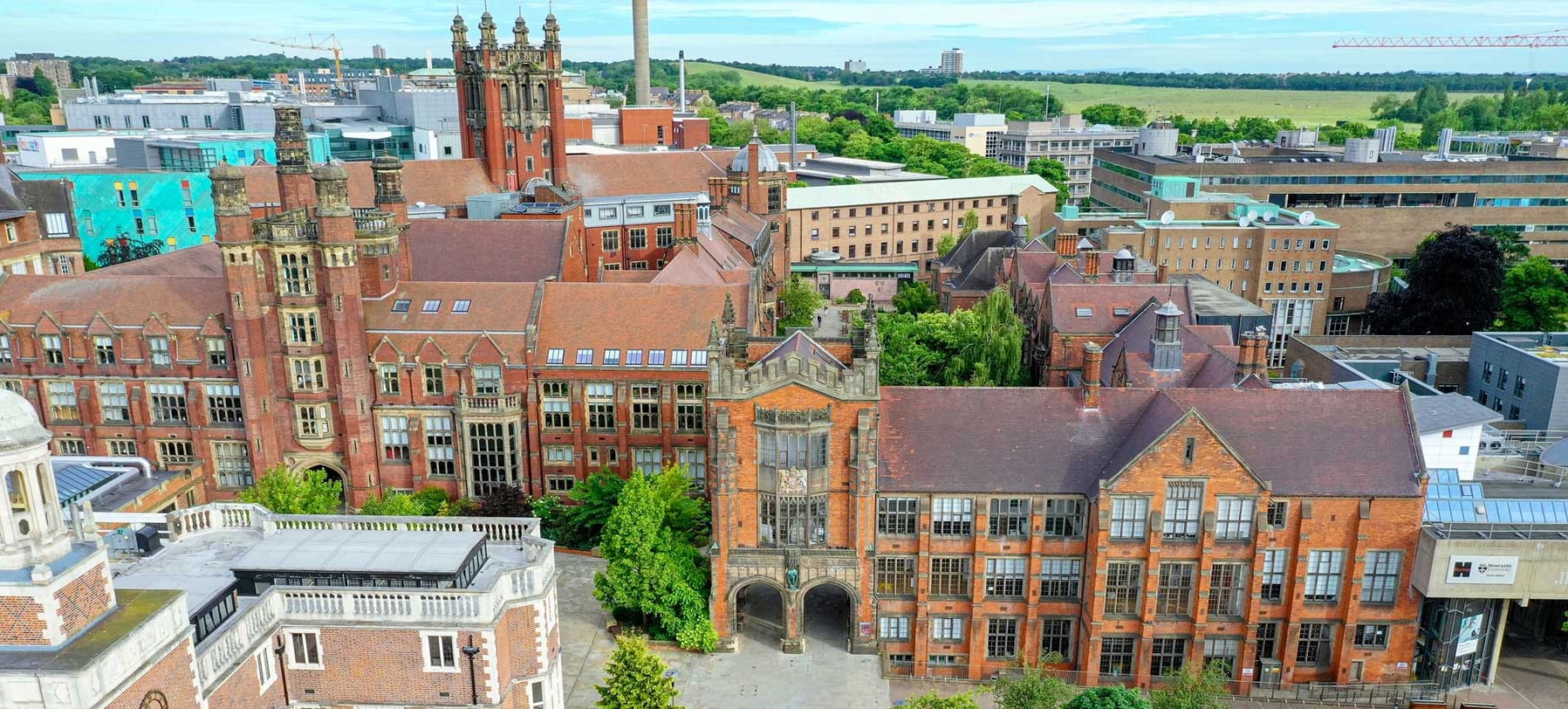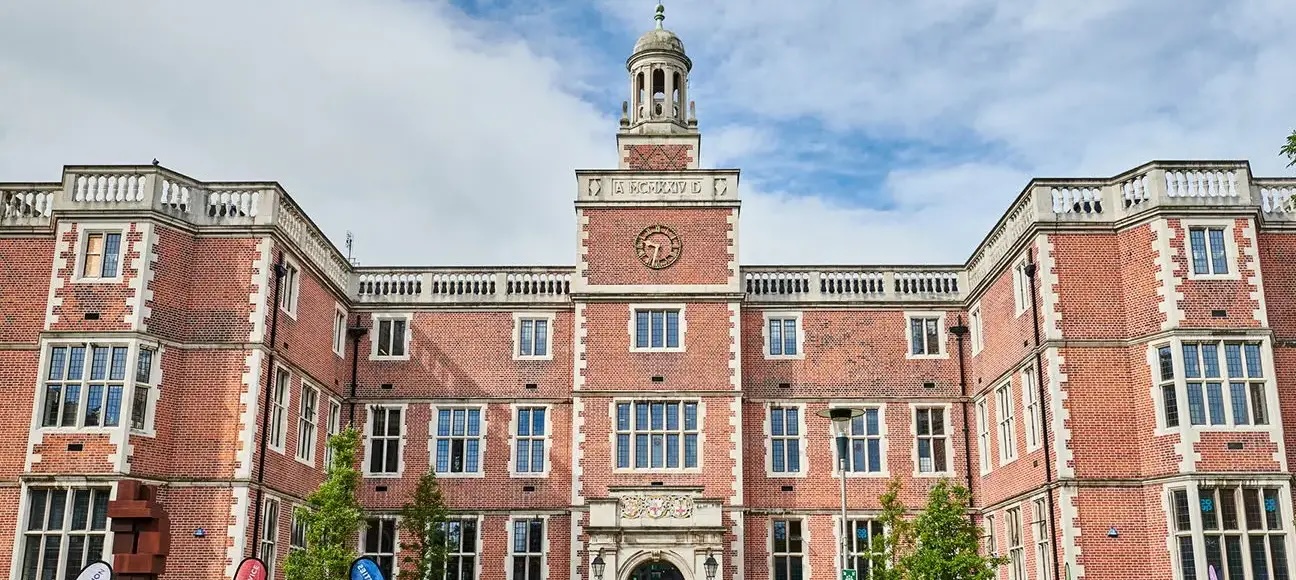
Newcastle University has deep historical roots in the development of higher education in North East England. Its medical origins go back to 1834, while its foundations in the physical sciences were established in 1871. These traditions later developed through King’s College, part of Durham University, before Newcastle University became an independent university in 1963. This history gives Newcastle a strong identity built on medicine, science, engineering, and civic commitment.
Newcastle University has a strong and varied alumni tradition across architecture, public life, science, business, and the creative industries. Official university materials highlight influential alumni such as architect Sir Terry Farrell, and the university’s alumni network now extends to more than 200,000 graduates worldwide. This broad alumni community reflects the university’s long-standing national and international impact.
Newcastle is especially well known for medicine, dentistry, engineering, architecture, computing, agriculture, business, humanities, creative arts, and social sciences. The university states that it has built on its foundations in medicine and engineering while expanding into business, humanities, creative arts, and social sciences. Its research strengths are also organised around themes such as ageing and health, data, cities and place, one planet, and culture and creative arts.
The university’s academic organisation has traditionally been grouped around three major faculties: Humanities and Social Sciences, Medical Sciences, and Science, Agriculture and Engineering. These broad areas are also reflected in official university materials and staff structure references. This structure supports both subject depth and interdisciplinary collaboration.
One of Newcastle’s defining features is the way it combines strong research intensity with a clear civic mission. The university presents itself as “From Newcastle. For the World.” and emphasises improving lives locally, nationally, and globally. It also stands out for its international footprint, with campuses in Newcastle, Singapore, and Malaysia, and for its focus on solving global challenges through research and innovation.
Undergraduate admission to Newcastle is competitive and holistic. Applications are made through UCAS, and the university considers academic qualifications, course choices, the personal statement, and a reference from someone who knows the applicant academically. For most undergraduate courses for 2026 entry, the UCAS deadline is 14 January 2026, while Medicine and Dentistry have an earlier deadline of 15 October 2025. Meeting the entry requirements allows an applicant to be considered, but does not guarantee an offer.
Newcastle University is a research-led, globally connected university with strong historic foundations in medicine and engineering, broad academic strength across multiple disciplines, and a distinctive civic and international identity. It is especially attractive to students who want a combination of academic ambition, research strength, and real-world relevance.
纽卡斯尔大学主要希望录取学术能力较强、对所申请课程准备充分,并且能够证明自己已经为高等教育做好准备的申请者。
首先,学校非常重视学术成绩以及课程本身的入学要求。申请者需要通过 UCAS 提交自己的学术资格与课程选择,这些内容构成录取评估的核心基础。
其次,学校重视一篇经过认真思考的个人陈述。纽卡斯尔大学官方指导明确表示,个人陈述是申请者在众多申请者中脱颖而出的机会,因此应尽早准备。
第三,学校也会参考学术推荐信。申请者需要提交一封由老师、顾问或其他了解其学术能力的专业人士所写的推荐信,以帮助学校判断其是否已为大学阶段学习做好准备。
第四,学校希望看到申请者与所申课程之间具有良好匹配度。达到学术要求是必要条件,但录取决定不会只依据单一因素,而是结合完整申请材料综合作出。
最后,纽卡斯尔大学也希望录取能够在研究导向、国际化并具有社会参与感的大学环境中积极发展的学生。强有力的申请通常能够体现出学术准备、学习动机以及积极融入大学生活的潜力。
总的来说,纽卡斯尔大学希望录取的是:学术基础扎实、对专业准备充分,并且能够通过完整而有竞争力的申请材料展现自身潜力的学生。