History
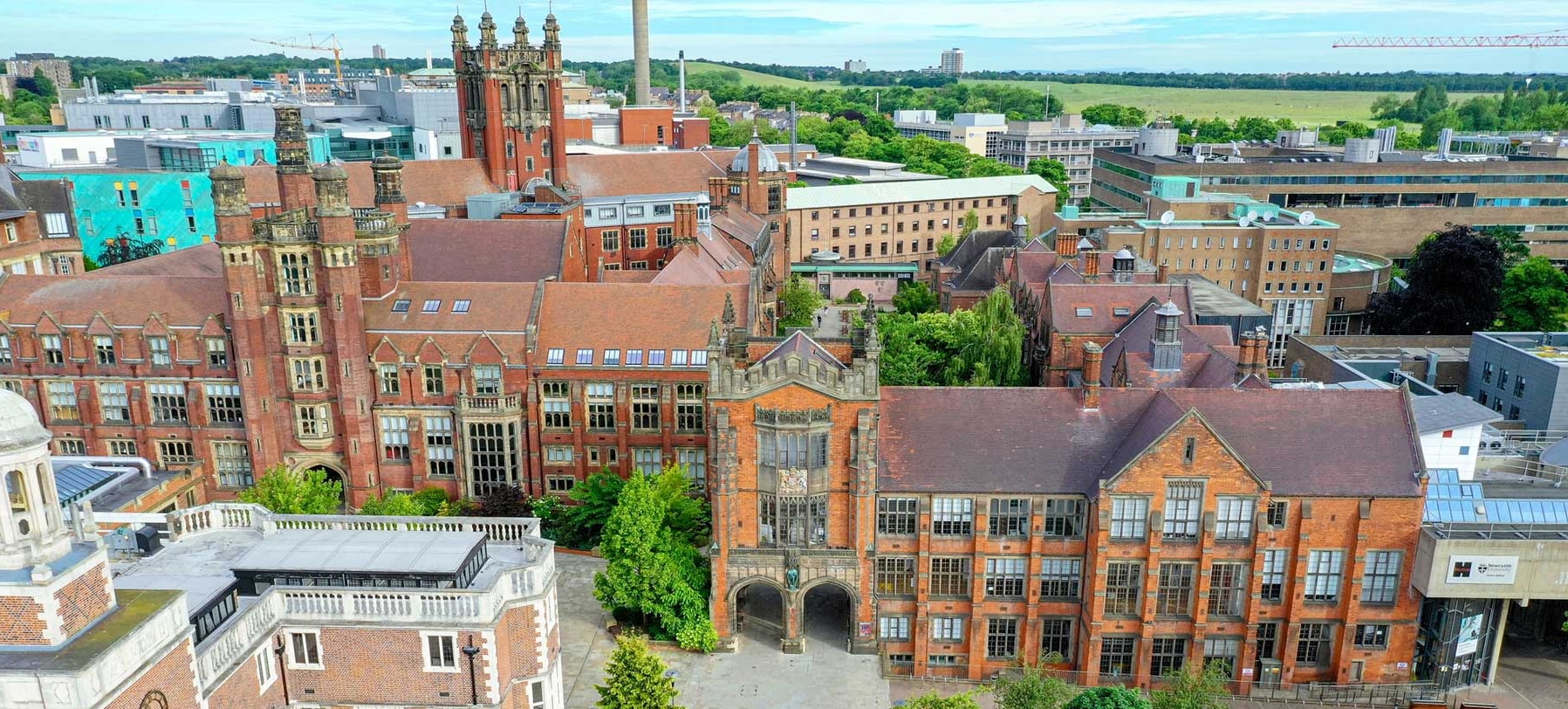
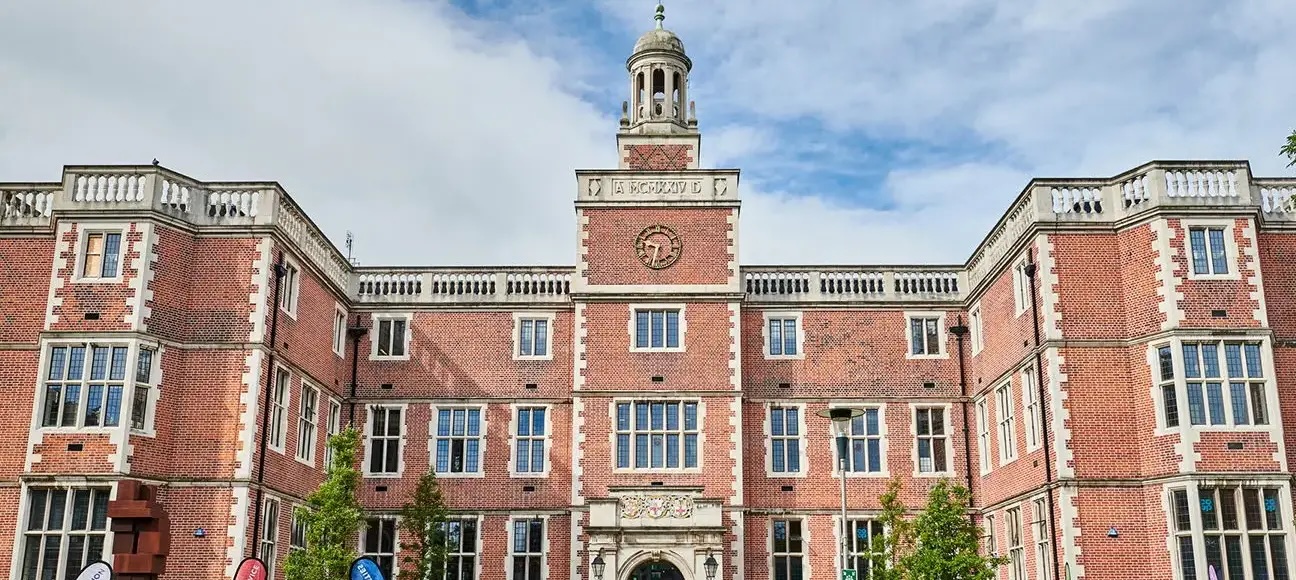
Newcastle University has deep historical roots in the development of higher education in North East England. Its medical origins go back to 1834, while its foundations in the physical sciences were established in 1871. These traditions later developed through King’s College, part of Durham University, before Newcastle University became an independent university in 1963. This history gives Newcastle a strong identity built on medicine, science, engineering, and civic commitment.
Notable Alumni
Newcastle University has a strong and varied alumni tradition across architecture, public life, science, business, and the creative industries. Official university materials highlight influential alumni such as architect Sir Terry Farrell, and the university’s alumni network now extends to more than 200,000 graduates worldwide. This broad alumni community reflects the university’s long-standing national and international impact.
Strong Subjects
Newcastle is especially well known for medicine, dentistry, engineering, architecture, computing, agriculture, business, humanities, creative arts, and social sciences. The university states that it has built on its foundations in medicine and engineering while expanding into business, humanities, creative arts, and social sciences. Its research strengths are also organised around themes such as ageing and health, data, cities and place, one planet, and culture and creative arts.
Academic Structure
The university’s academic organisation has traditionally been grouped around three major faculties: Humanities and Social Sciences, Medical Sciences, and Science, Agriculture and Engineering. These broad areas are also reflected in official university materials and staff structure references. This structure supports both subject depth and interdisciplinary collaboration.
Distinctive Features
One of Newcastle’s defining features is the way it combines strong research intensity with a clear civic mission. The university presents itself as “From Newcastle. For the World.” and emphasises improving lives locally, nationally, and globally. It also stands out for its international footprint, with campuses in Newcastle, Singapore, and Malaysia, and for its focus on solving global challenges through research and innovation.
Admissions
Undergraduate admission to Newcastle is competitive and holistic. Applications are made through UCAS, and the university considers academic qualifications, course choices, the personal statement, and a reference from someone who knows the applicant academically. For most undergraduate courses for 2026 entry, the UCAS deadline is 14 January 2026, while Medicine and Dentistry have an earlier deadline of 15 October 2025. Meeting the entry requirements allows an applicant to be considered, but does not guarantee an offer.
Summary
Newcastle University is a research-led, globally connected university with strong historic foundations in medicine and engineering, broad academic strength across multiple disciplines, and a distinctive civic and international identity. It is especially attractive to students who want a combination of academic ambition, research strength, and real-world relevance.