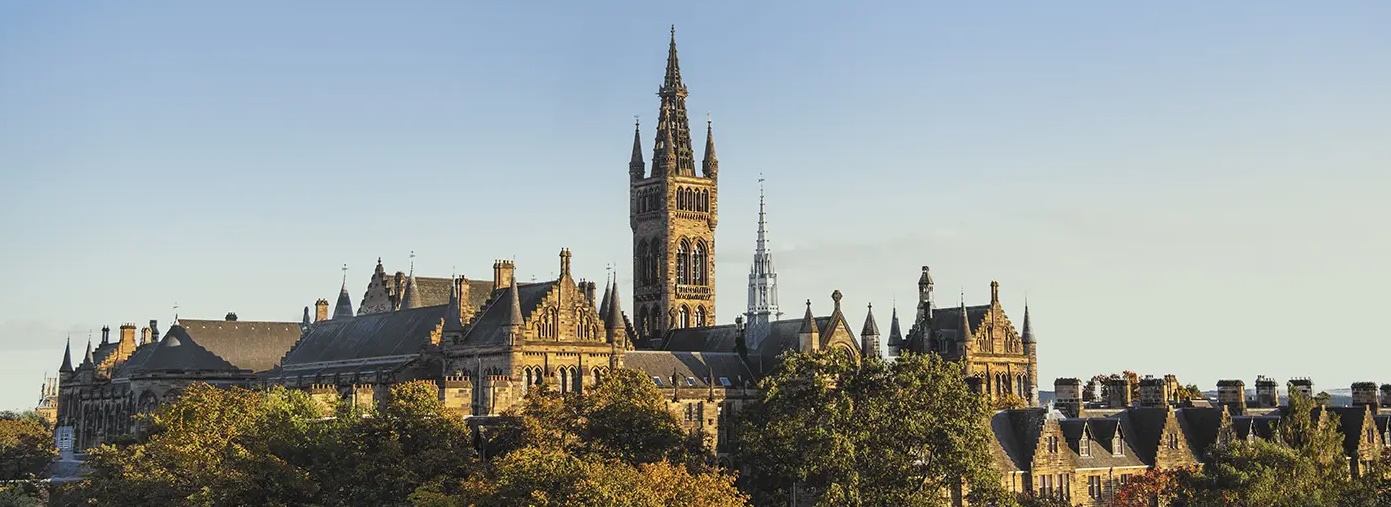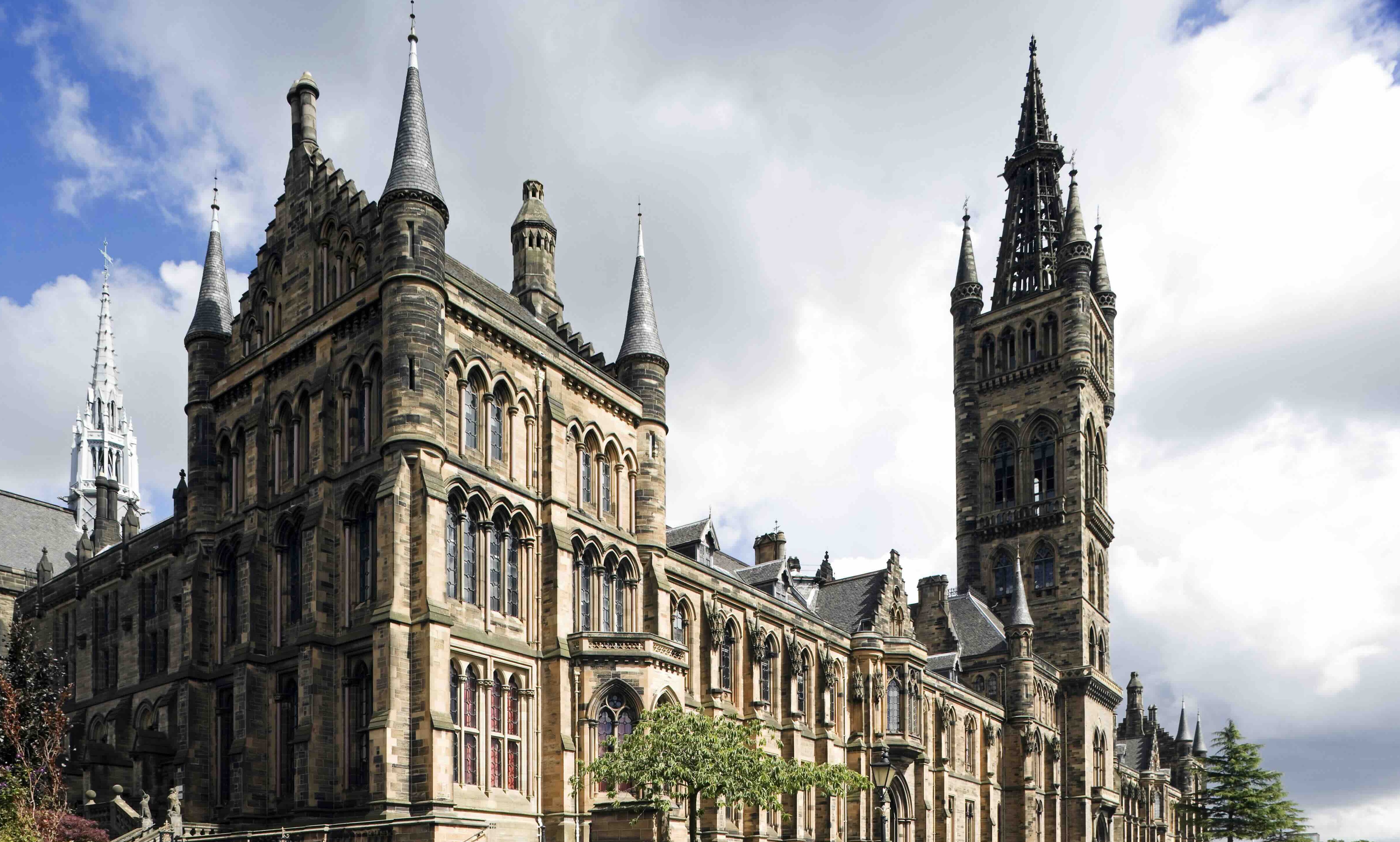
The University of Glasgow was founded in 1451 and is one of the oldest universities in the English-speaking world. It is one of Scotland’s four ancient universities and has played a major role in the Scottish Enlightenment, as well as in the development of medicine, science, and the humanities. Its long history gives it a distinctive academic identity and a strong international reputation.
The University of Glasgow has educated many influential figures in economics, science, politics, literature, and public life. Notable names associated with the university include Adam Smith, James Watt, Lord Kelvin, John Buchan, and Nicola Sturgeon. The university also highlights its historic connection to seven Nobel laureates.
Glasgow is especially strong in medicine, veterinary medicine, life sciences, engineering, physical sciences, computing, law, economics, social sciences, and a broad range of arts and humanities subjects. It combines the breadth of a major comprehensive university with the prestige of a historic research institution.
The University of Glasgow is organised into four Colleges: the College of Arts & Humanities, the College of Medical, Veterinary & Life Sciences, the College of Science & Engineering, and the College of Social Sciences. This structure supports both subject identity and interdisciplinary collaboration.
One of Glasgow’s defining features is the way it combines the heritage of an ancient university with the strengths of a modern, globally connected research institution. It is also known for its flexible Scottish degree structure, strong academic culture, and the advantages of studying in one of the UK’s most vibrant cities.
Undergraduate admission to Glasgow is competitive and course-specific. The university considers academic qualifications, English language qualifications, the personal statement, the academic reference, and any course-specific requirements before making a decision. Meeting the minimum entry requirements allows an applicant to enter the selection process, but does not guarantee an offer.
The University of Glasgow is a historic, research-intensive, and internationally respected university with strengths across medicine, science, engineering, social sciences, and the humanities. It is especially attractive to students seeking academic tradition, subject breadth, and the opportunities of studying in a major global city.
The University of Glasgow is looking for applicants with strong academic ability, appropriate preparation for their chosen course, and clear evidence that they are ready to succeed in a demanding university environment.
First, Glasgow places significant importance on academic qualifications and subject-specific entry requirements. Applicants need to meet, or be predicted to meet, the standards for their chosen programme, including any required subjects and English language requirements where relevant.
Second, the university considers the full application. This may include academic qualifications, English language qualifications, the personal statement, the academic reference, and any additional course-specific requirements such as portfolios or interviews.
Third, Glasgow values subject fit and academic readiness. Applicants should show that they understand the course, are genuinely interested in the subject, and have prepared well for degree-level study.
Fourth, when competition is especially strong, the university may consider achievement above the minimum grade requirements, grades already achieved in earlier qualifications, and whether qualifications have already been completed.
Finally, Glasgow also takes contextual and widening access information into account where relevant, reflecting its commitment to fair and inclusive admissions.
In summary, the University of Glasgow is looking for students who are academically capable, well prepared for their chosen subject, and able to demonstrate their potential through a strong and relevant application.
We consider all information within the UCAS application when making our admissions decisions.
This will include evidence in your personal statement and your supporting reference regarding your readiness for higher education, your suitability for your chosen degree programme and any contextual information that will aid us in our decision.
If you are applying to a professional or vocational degree programme, your personal statement should demonstrate a clear understanding of the profession.
This should be supported by, for example, evidence of any work experience or work shadowing, as well as wider achievements such as volunteering or community work. We do recognise that not all applicants have equal access to such opportunities.