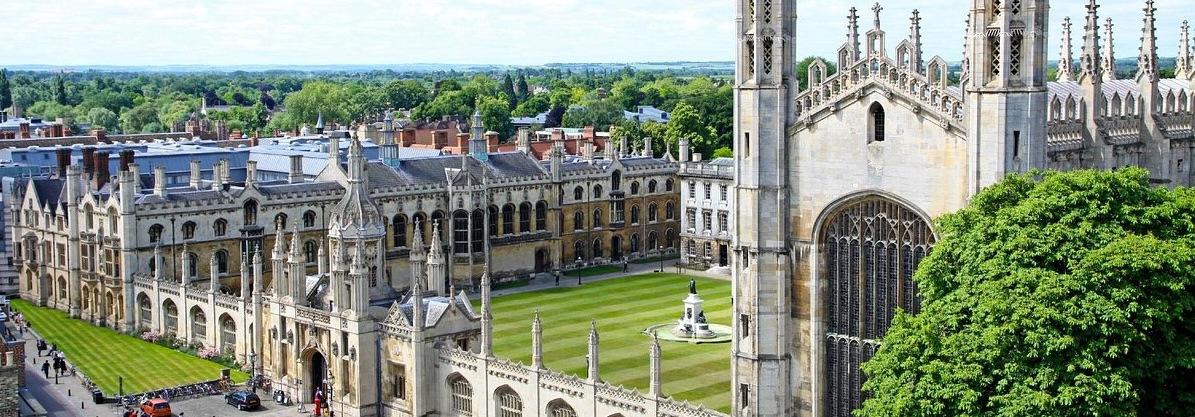
School Overview
King’s College London (KCL) is one of the United Kingdom’s most prestigious research universities. Located in central London, it is one of the founding institutions of the University of London. The university is especially known for its strengths in medicine, law, international relations, politics, the humanities, life sciences, and social sciences, and it also has major influence in nursing, dentistry, and global health. One of KCL’s defining features is that it combines a long and distinguished history with deep integration into the academic, medical, legal, and public policy networks of London as a global city.
History
King’s College London was founded in 1829 through the efforts of King George IV and the Duke of Wellington, then Prime Minister, and is one of the oldest universities in the United Kingdom. As a key founding institution within the University of London system, KCL has played an important role in British higher education, medical education, and the training of public service leaders since the nineteenth century. Through later institutional expansion and academic development, the university gradually evolved into the world-class comprehensive institution it is today, covering the humanities, social sciences, law, medicine, dentistry, nursing, natural sciences, and business.
Notable Alumni
King’s College London has a remarkably strong alumni tradition. Notable figures listed by the university include Florence Nightingale, James Clerk Maxwell, Rosalind Franklin, Maurice Wilkins, and Cicely Saunders, all of whom made major contributions in science, medicine, and public service. The university has also educated many distinguished graduates active in literature, law, politics, media, and international affairs, reflecting the close connection KCL maintains between academic research and real-world impact.
Strong Subjects
KCL’s strongest academic areas are concentrated in medicine and life sciences, dentistry, nursing, psychology, law, politics and international relations, war studies, the humanities, and the social sciences. Its medicine- and health-related disciplines are particularly outstanding, and the university has long been regarded as one of the most important centres for health education and medical research in the UK and Europe. At the same time, King’s also enjoys a strong reputation in traditional disciplines such as law, international relations, history, philosophy, and English literature.
Academic Structure
King’s College London adopts a multi-faculty, multidisciplinary academic structure that includes Arts & Humanities, Law, Social Science & Public Policy, Nursing, Midwifery & Palliative Care, Dentistry, Oral & Craniofacial Sciences, Life Sciences & Medicine, Natural, Mathematical & Engineering Sciences, and King’s Business School. This structure gives the university both the breadth of a comprehensive university and distinctive strength in priority areas such as health, medicine, and public policy.
Distinctive Features
One of King’s most distinctive features is the way it closely combines top-level academic research with the core resources of London. Its campuses are located across important areas of the city and maintain close links with major teaching hospitals, courts, government institutions, international organisations, and cultural institutions. This makes it especially suitable for students who want to engage with real professional environments and major public issues during university. Compared with more narrowly STEM-focused universities, KCL’s advantage lies in the balanced development of health and medicine, law, international relations, the humanities and social sciences, and life sciences, together with a strong urban and practical orientation.
Admissions
Undergraduate admission to King’s College London is highly competitive. The university follows a unified admissions policy, and decisions are based on a holistic consideration of academic achievement, course fit, the personal statement, academic reference, and any additional materials or assessments required by specific programmes. Meeting the minimum entry requirements does not guarantee an offer, and popular courses are often significantly more competitive. Overall, KCL is looking for applicants with strong academic foundations, clear subject interest, and convincing evidence that they are well suited to study and develop in a high-level research university environment in London.
Summary
King’s College London is a leading university that combines historical tradition, international reputation, and real-world influence. It is especially well suited to students who wish to pursue further study in medicine, health, law, international relations, the humanities, and the social sciences, while also taking full advantage of London’s urban resources, international platforms, and professional networks. For applicants who value academic excellence, city-based opportunity, and a global outlook, KCL is one of the most attractive universities in the UK.