Overview
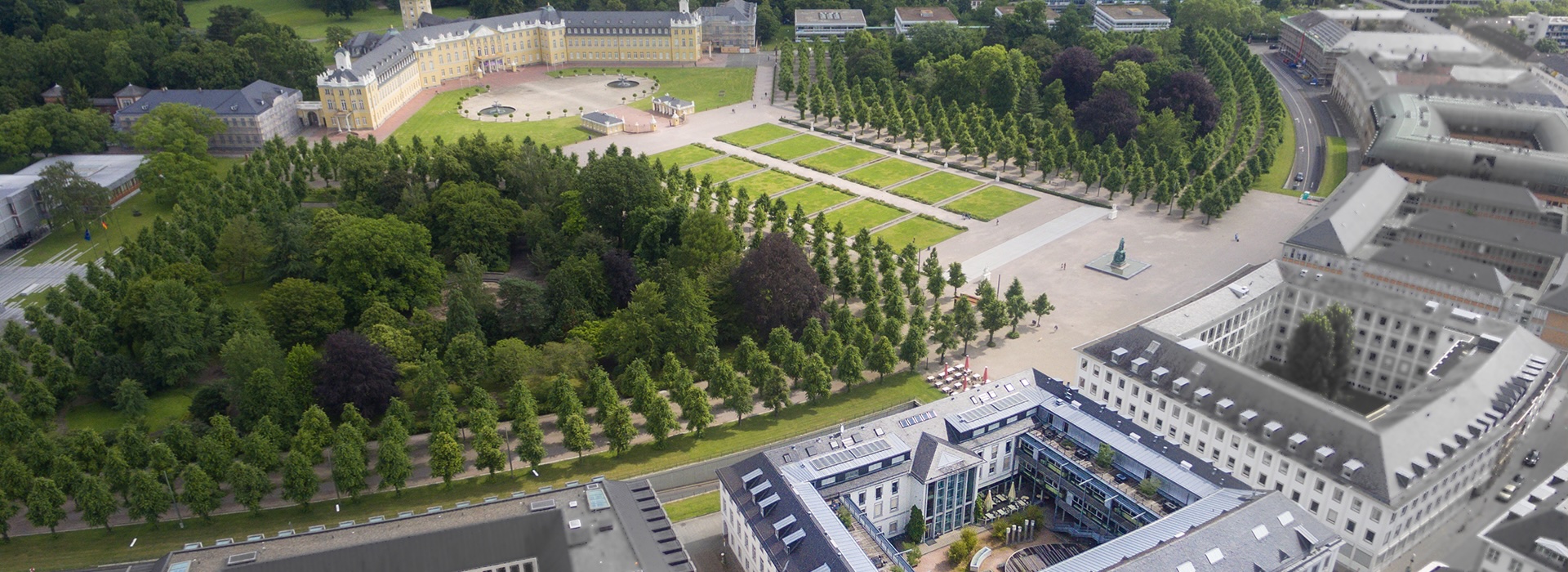
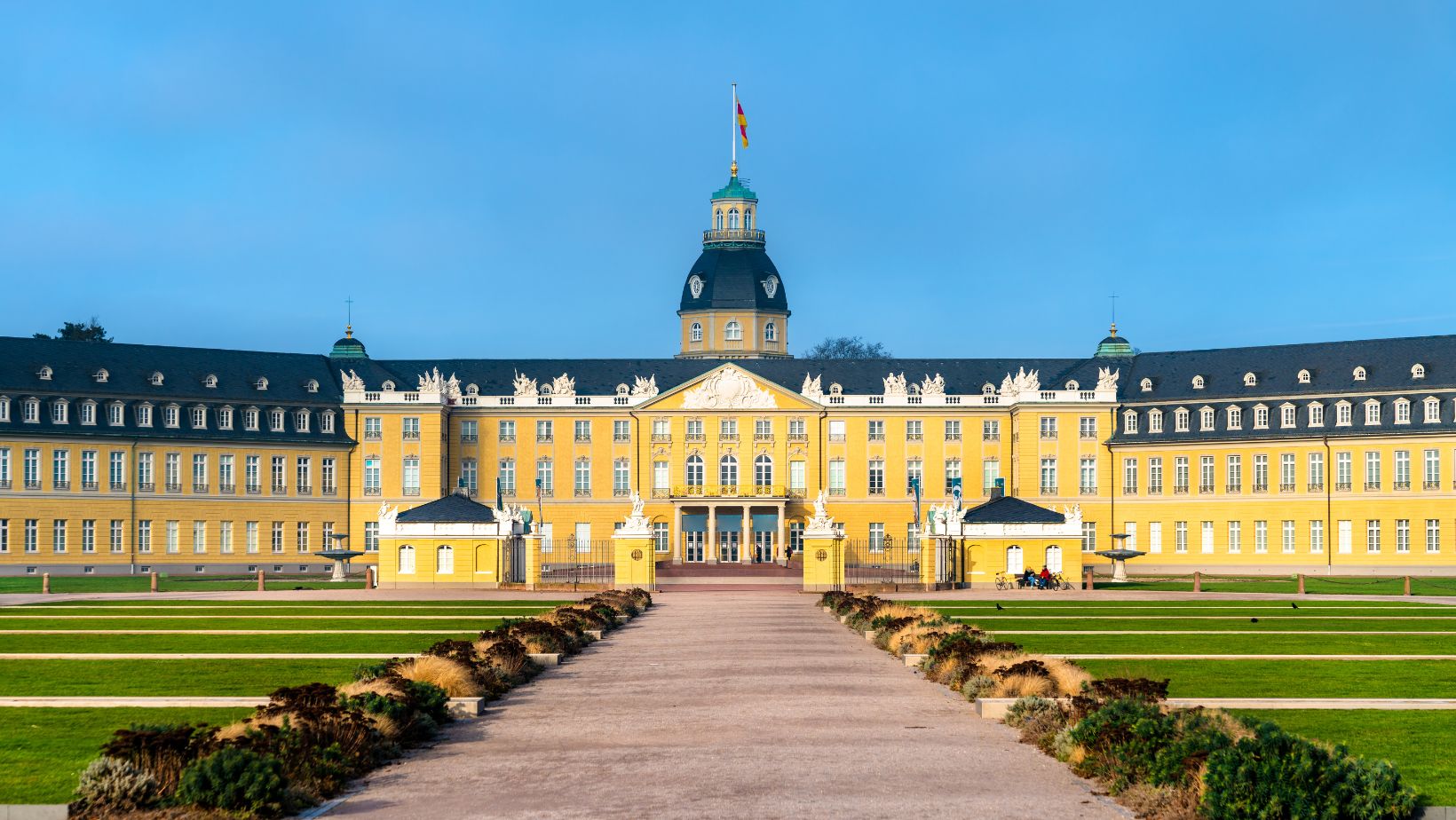
KIT, Karlsruhe Institute of Technology, is one of Germany’s leading technical research universities and one of the most influential engineering and technology institutions in Europe. Located in Karlsruhe, it is especially strong in engineering, natural sciences, computer science, mathematics, energy, environment, and application-oriented research.
History
KIT traces its origins back to the Polytechnical School founded in 1825. Karlsruhe has long held an important place in German engineering education, scientific development, and technological innovation. In 2009, Universität Karlsruhe and Forschungszentrum Karlsruhe were merged to form today’s Karlsruhe Institute of Technology, creating an integrated model that combines a university with a large-scale research centre.
Notable Alumni
As one of Germany’s most prominent technical universities, KIT has educated and attracted many influential figures in engineering, computing, energy, industrial technology, public research, and innovation. Its graduates are strongly connected to Germany’s industrial and applied-research traditions and are active across manufacturing, IT, engineering services, energy, and scientific institutions.
Strong Academic Fields
KIT is particularly strong in mechanical engineering, electrical engineering, informatics and computer science, materials science, mathematics, physics, chemical engineering, civil engineering, geosciences, environmental science, energy engineering, and industrial engineering and management. Its academic identity is defined by the close connection between engineering science, fundamental research, and industrial application.
Academic Structure
According to KIT’s official degree-program overview, the university offers more than 100 degree programmes across natural sciences, engineering, economics, humanities and social sciences, and teacher education. These programmes form a broad academic structure spanning bachelor’s, master’s, and doctoral pathways.
Distinctive Features
KIT stands out for its integrated “university + national-scale research platform” model. This gives it both the breadth of a traditional university and the infrastructure of a major research centre. The official study pages also emphasize that students can participate in pioneering research projects earlier than elsewhere, which is one of KIT’s most distinctive qualities.
Admissions
For international applicants, admissions vary by programme. KIT’s official English-taught programmes page states that at the bachelor’s level, the fully English-taught option currently includes Mechanical Engineering (International) B.Sc. At the master’s level, the university offers multiple English-taught and international-school programmes, including Energy Engineering and Management, Financial Engineering, Information Systems Engineering and Management, and Optics and Photonics. Deadlines also vary by applicant status and programme type: for German citizens, EU citizens, and educational residents, many unrestricted bachelor’s programmes for the winter semester are listed with a 15 September deadline, while restricted-capacity bachelor’s programmes are typically listed with a 15 July deadline; master’s deadlines vary by programme and should be checked individually.