Overview
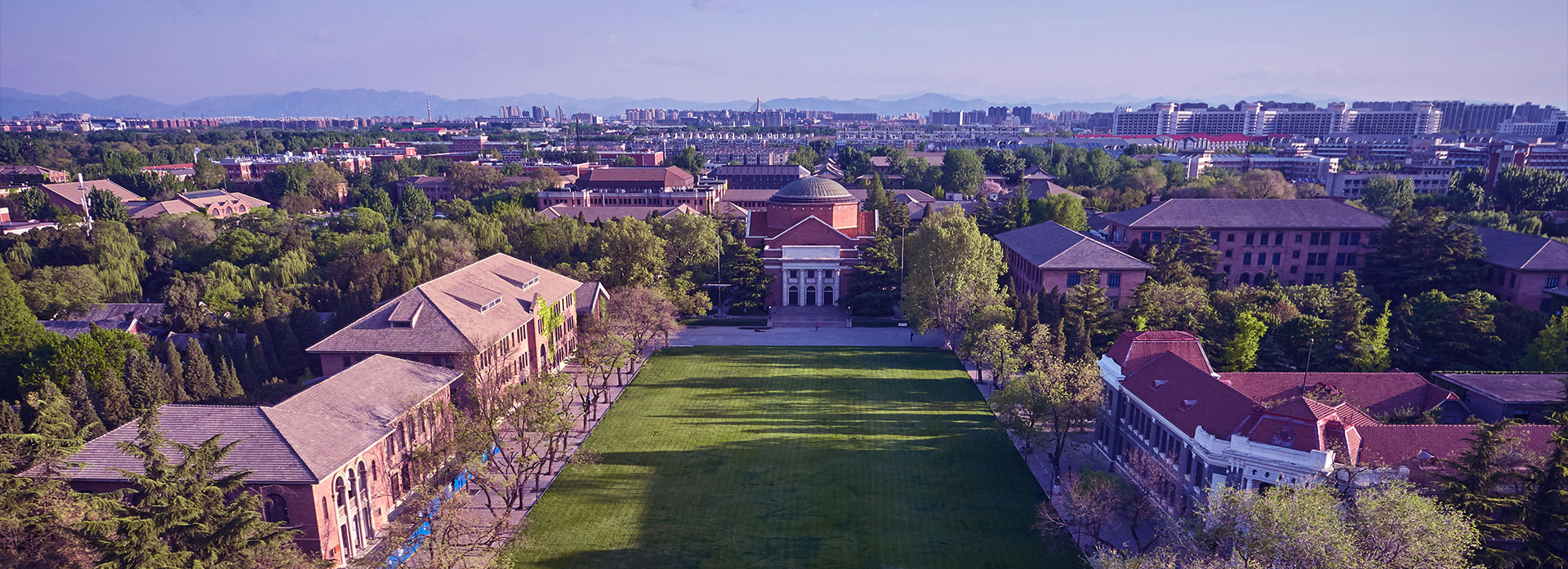
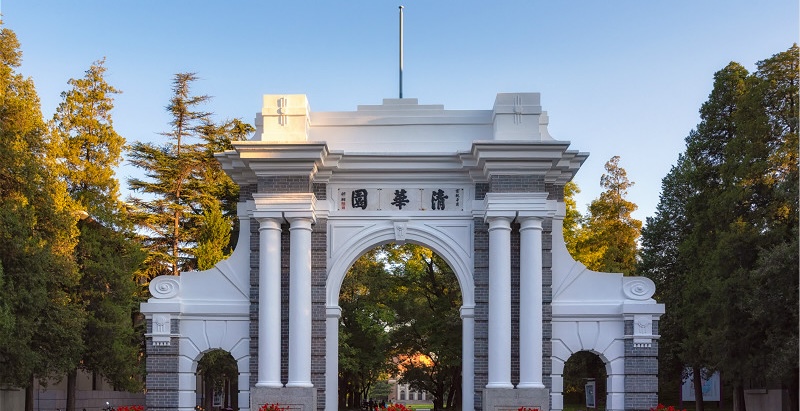
Tsinghua University is one of China’s most prestigious comprehensive research universities and is widely recognized as a leading institution in engineering, technology, and innovation. Located in Beijing, Tsinghua has developed into a top-tier university with strengths across science, engineering, humanities, social sciences, management, law, education, arts, and medicine.
History
Tsinghua University was founded in 1911, originally as Tsinghua Xuetang and later Tsinghua School. Over more than a century of development, it evolved from an institution with a strong preparatory and educational mission into a world-renowned research university known especially for engineering excellence, while continuously expanding its strengths in sciences, humanities, social sciences, management, and medicine.
Notable Alumni
Tsinghua University has educated many highly influential figures in science, engineering, academia, industry, public administration, and innovation. Its alumni community includes prominent researchers, entrepreneurs, policymakers, and professionals who have played major roles in China’s technological and economic development.
Strong Academic Fields
Tsinghua is particularly strong in computer science, artificial intelligence, electronic engineering, mechanical engineering, civil engineering, architecture, materials science, automation, energy engineering, environmental engineering, mathematics, physics, chemistry, life sciences, economics, management, and interdisciplinary engineering-related fields.
Academic Structure
According to Tsinghua’s official admissions information, the university spans more than 20 schools and 59 departments, offering a full range of undergraduate, master’s, and doctoral programs. Its academic coverage includes science, engineering, literature, art, history, philosophy, economics, management, law, education, and medicine, reflecting its development into a highly comprehensive university.
Distinctive Features
Tsinghua is known for its research-intensive environment, rigorous academic training, and especially strong tradition in engineering and technological innovation. It is widely regarded as a benchmark institution in Chinese higher education, while also emphasizing globalization, interdisciplinary collaboration, and innovation-driven development. The university has notable strengths in areas such as AI, advanced manufacturing, energy, information technology, integrated circuits, environmental sustainability, life sciences, and digital society.
Admissions
Admission to Tsinghua University is extremely competitive. For domestic applicants, undergraduate admission is among the most selective in China. For international students, Tsinghua offers undergraduate, graduate, and non-degree pathways. Official admissions information states that international students may choose from more than 60 undergraduate programs, 100 master’s programs, and 90 doctoral programs, with some master’s and doctoral programs taught fully in English. Undergraduate applicants are generally required to submit academic records, language qualifications, and supporting materials, while graduate admission is typically based on document review together with a comprehensive assessment focused on academic preparation, program fit, and research potential.