History
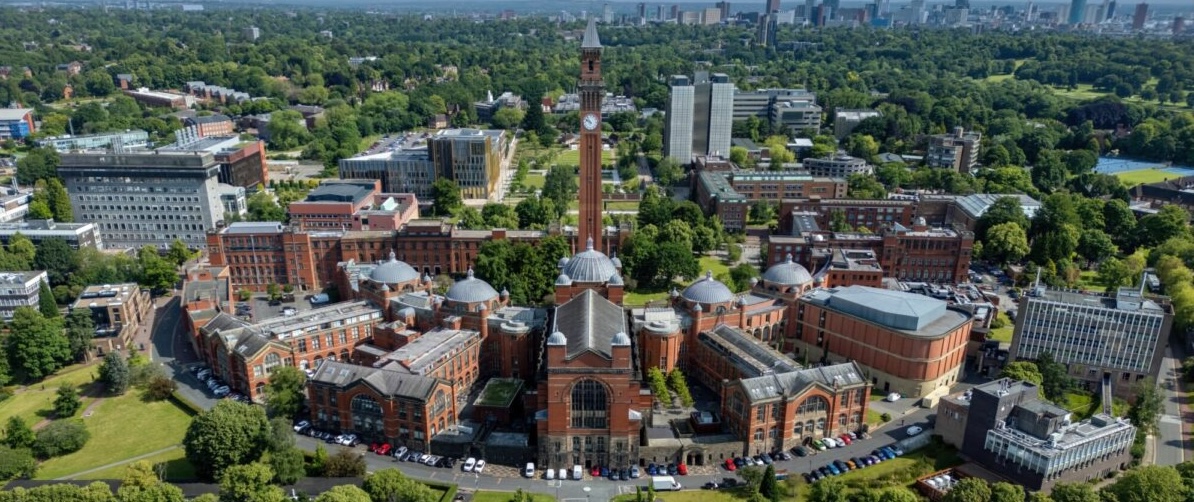
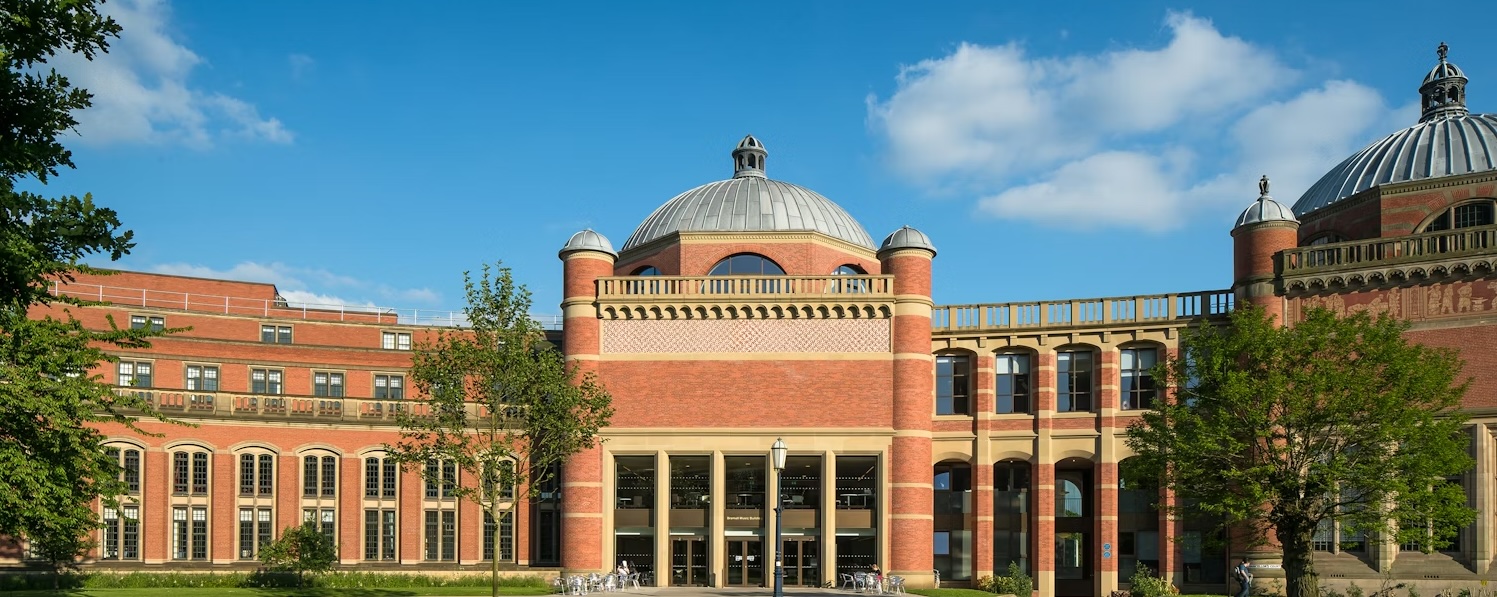
The University of Birmingham is one of the most important institutions in the history of modern higher education in the United Kingdom. Its roots lie in Mason Science College, founded in 1875, and in 1900 it became the first civic university in England to receive a royal charter. Its development reflects the close connection between higher education, scientific progress, and public purpose in industrial Britain.
Notable Alumni
The University of Birmingham has a distinguished alumni tradition. The university highlights outstanding alumni including Nobel Prize winners, business leaders, famous names from film and television, and sports stars. Well-known figures associated with Birmingham include J. R. R. Tolkien, Neville Chamberlain, and David Lodge, reflecting its influence across literature, politics, education, and public life.
Strong Subjects
Birmingham is especially well known for engineering, computer science, business and economics, medicine and health sciences, law, education, physics, chemistry, materials, and a broad range of humanities and social sciences subjects. It combines the breadth of a major comprehensive university with the strengths of a research-intensive institution.
Academic Structure
The University of Birmingham is organised into five Colleges: Arts and Law; Engineering and Physical Sciences; Life and Environmental Sciences; Medical and Dental Sciences; and Social Sciences. This structure supports both disciplinary depth and interdisciplinary collaboration across the university.
Distinctive Features
One of Birmingham’s defining features is the way it combines the heritage of a historic redbrick university with the strength of a modern research-intensive institution and the advantages of a major campus environment. It offers students both academic intensity and a strong sense of university community, while maintaining significant international reach and research impact.
Admissions
Undergraduate admission to Birmingham is competitive and course-specific. The university states that offers are based on a range of factors, including GCSE results, the subjects studied and other qualifications, predicted grades, the personal statement, the academic reference, and personal circumstances. Meeting the entry requirements does not guarantee an offer.
Summary
The University of Birmingham is a globally respected, research-led university with deep historical roots, broad academic strengths, and a strong civic mission. It is especially attractive to students seeking academic excellence, a full university campus experience, and the opportunities of studying at a major UK research university.