Overview
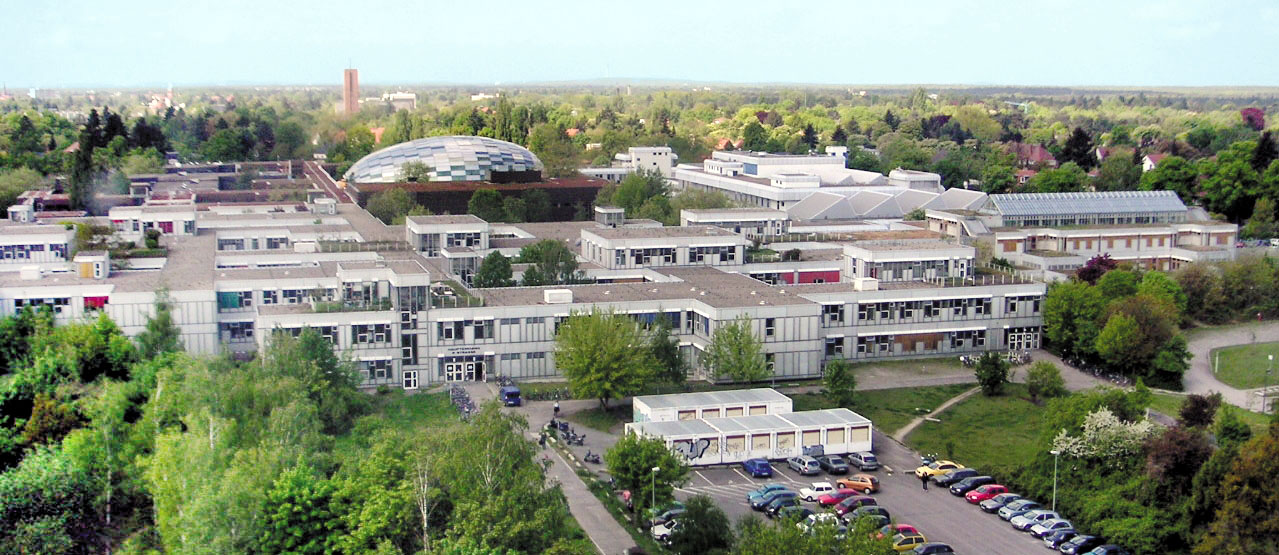
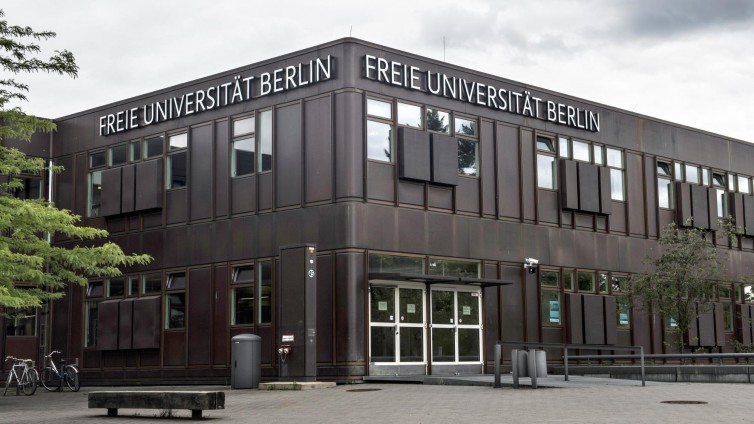
Freie Universität Berlin (Free University of Berlin, often abbreviated as FU Berlin) is one of Germany’s leading comprehensive research universities and one of the most internationally visible public universities in Europe. Located in Berlin, it is especially strong in the humanities, social sciences, natural sciences, political science, area studies, life sciences, and interdisciplinary research.
History
Freie Universität Berlin was founded in 1948. It was established by professors and students in the context of divided Berlin as a response to political oppression affecting students and faculty at the main university in the Soviet sector. Since its foundation, FU Berlin has been closely associated with the values of freedom, open discourse, and critical reflection, and it has developed into a university of international standing.
Notable Alumni
FU Berlin has educated many influential figures in literature, law, politics, public affairs, and academic life. According to the university’s official eminent figures page, notable alumni include Elke Heidenreich, Renate Künast, Jutta Limbach, Otto Schily, and Klaus Wowereit, reflecting the university’s strong role in German public and intellectual life.
Strong Academic Fields
FU Berlin is particularly strong in political science, international relations, sociology, history, cultural studies, area studies, languages and literature, philosophy, economics, mathematics, computer science, psychology, natural sciences, and life sciences. It is especially well known for its humanities and social sciences profile, while also maintaining strong capacity in the sciences and interdisciplinary research.
Academic Structure
Freie Universität Berlin consists of multiple academic departments and subject areas spanning the humanities, social sciences, natural sciences, economics, law, education, mathematics, computer science, psychology, and life sciences. It offers a full range of bachelor’s, master’s, and doctoral programmes, supported by research centres, international collaborations, and joint academic initiatives.
Distinctive Features
FU Berlin stands out for its strong tradition of academic freedom, its international research networks, and its location in Germany’s capital. From its founding onward, the university has emphasized open discussion and critical inquiry. Its international partnerships, English-taught programmes, and interdisciplinary research platforms make it especially attractive to students interested in the humanities, social sciences, international affairs, and cross-disciplinary study.
Admissions
Admissions at FU Berlin vary by programme type. Most undergraduate programmes are generally taught in German and therefore usually require strong German proficiency. At the same time, the university offers selected bachelor’s and master’s programmes taught in English, and these programmes typically do not require German for admission. The university states that different programmes may have different procedures, deadlines, and language requirements, so international applicants should carefully review the relevant programme pages for credential recognition and document requirements.