Overview
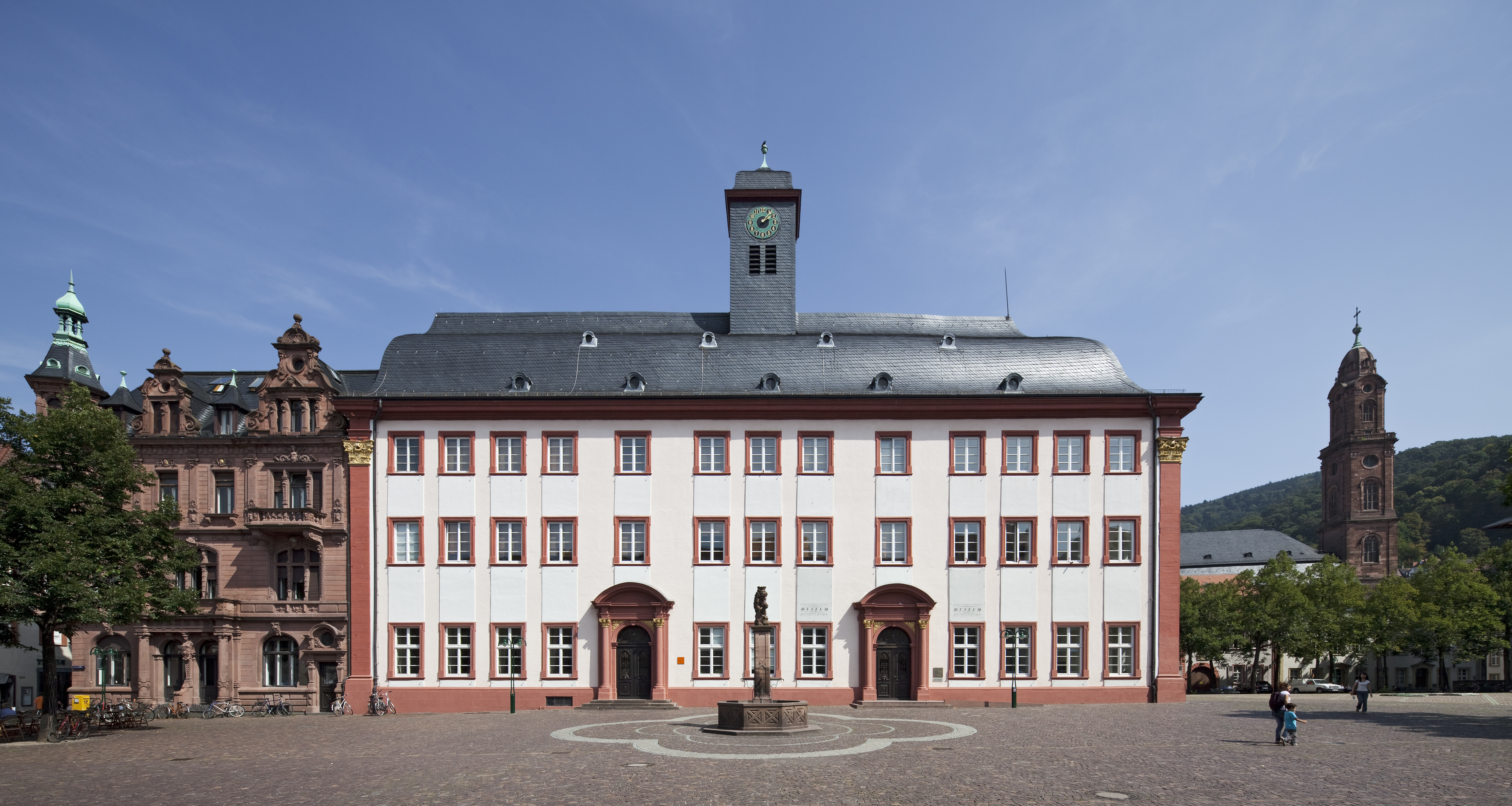
Heidelberg University (Universität Heidelberg, also known as Ruperto Carola) is one of Germany’s leading comprehensive research universities and one of the most historically prestigious institutions in Europe. Located in Heidelberg, it is internationally recognized for excellence across the humanities, social sciences, natural sciences, medicine, and interdisciplinary research.
History
Heidelberg University was founded in 1386, making it the oldest university in present-day Germany. According to the university’s official history, Pope Urban VI approved its foundation in 1385, and teaching began in 1386 with three faculties: theology, jurisprudence, and philosophy. Medicine followed in 1388. The university occupies a foundational place in the history of German and European higher education.
Notable Alumni
As Germany’s oldest and one of its most influential universities, Heidelberg has educated and attracted many prominent figures in philosophy, law, medicine, natural sciences, social sciences, and public life. Its alumni and academic community have played an important role in German intellectual history and the broader European scholarly tradition.
Strong Academic Fields
Heidelberg University is particularly strong in medicine, life sciences, physics, chemistry, mathematics, law, philosophy, history, languages and literature, social sciences, and interdisciplinary research. It is especially well known for fundamental scholarship and for its internationally strong profile in medicine and the life sciences.
Academic Structure
According to official international information from the university, Heidelberg has 12 faculties covering a broad range of subjects in the arts and sciences, including medicine. It offers bachelor’s, master’s, state examination, and doctoral pathways, forming a comprehensive academic structure across major disciplines.
Distinctive Features
Heidelberg stands out for its long academic tradition, strong research orientation, and international identity. The university describes itself as an internationally oriented research and teaching institution, and its repeated success in Germany’s Excellence initiatives highlights its leading role in the national and European research landscape.
Admissions
Admissions at Heidelberg University vary by programme type and applicant background. The university states that international applicants may be subject to different procedures and deadlines depending on the programme. Most undergraduate and state-examination programmes generally require strong German language proficiency, while many master’s programmes use separate application forms or programme-specific procedures. International applicants should therefore pay close attention to degree recognition, language requirements, and any programme-specific admission restrictions.