History
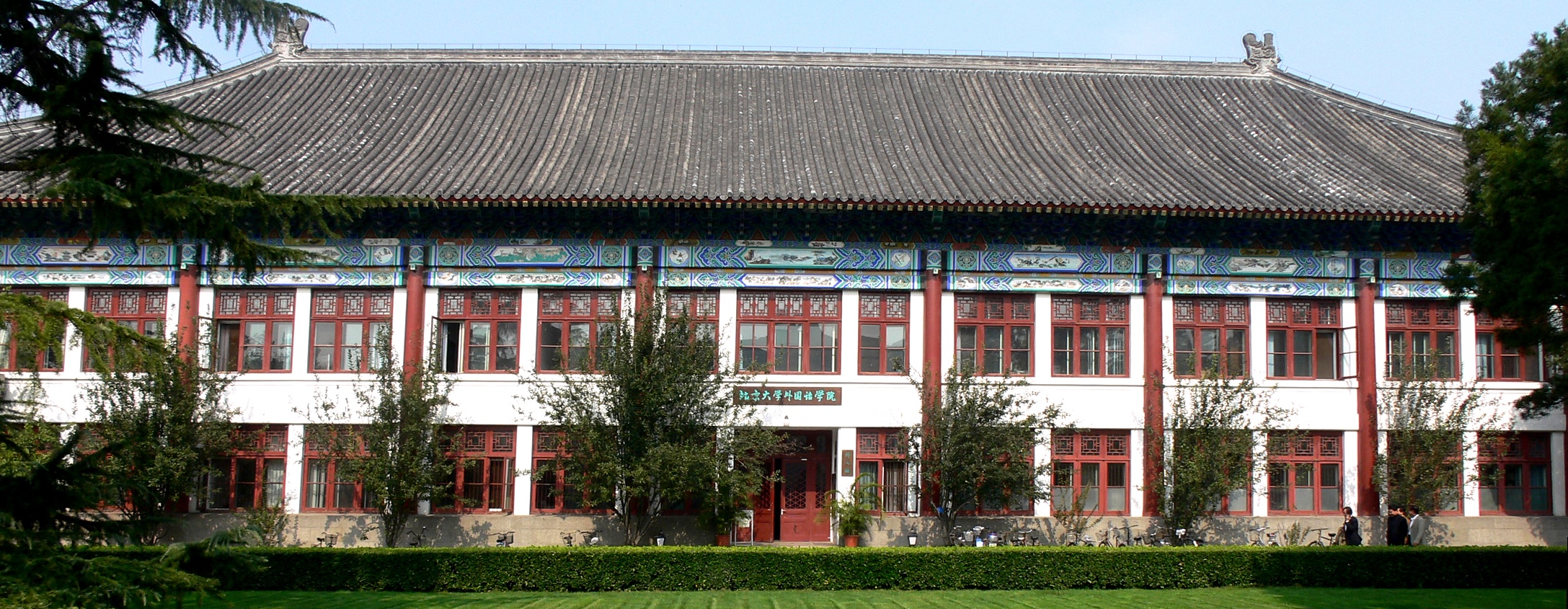
Peking University was founded in 1898 as the Imperial University of Peking. In 1912, it was officially renamed Peking University. The university played a major role in the intellectual transformation of modern China and became especially influential during the New Culture Movement and the May Fourth Movement. After the nationwide restructuring of higher education in 1952, PKU further strengthened its foundation in humanities and sciences. In 2000, its merger with Beijing Medical University expanded its disciplinary structure and enhanced its overall academic capacity.
Notable Alumni
Peking University has educated many influential figures in modern Chinese history, scholarship, public affairs, science, technology, and culture. The university has long been associated with major intellectuals and reform-minded scholars such as Cai Yuanpei, Chen Duxiu, Hu Shi, and Lu Xun. Its alumni community includes leading scientists, policymakers, entrepreneurs, writers, and educators with broad national and international influence.
Strong Academic Fields
PKU is especially strong in the humanities, philosophy, Chinese language and literature, history, international relations, law, economics, mathematics, physics, chemistry, biological sciences, basic medicine, clinical medicine, pharmacy, computer science, artificial intelligence, electronic information, and environmental sciences. As a comprehensive university, it combines excellence in fundamental scholarship with interdisciplinary innovation and advanced research.
Academic Structure
Peking University has a highly comprehensive academic structure. Its official framework is often summarized into six major academic divisions: Humanities, Social Sciences, Sciences, Information and Engineering, Economics and Management, and Health Sciences. The university includes a large number of colleges, schools, and departments covering fields such as Chinese, history, philosophy, law, international studies, economics, management, mathematics, physics, chemistry, life sciences, environmental science, information science, computer science, engineering, and medicine.
Distinctive Features
PKU is known for its strong intellectual tradition, broad disciplinary excellence, and central role in Chinese academic and cultural life. It is not only a top university for education and research, but also a major center for critical inquiry, social thought, and national talent development. The university emphasizes academic independence, analytical thinking, interdisciplinary exploration, and social responsibility. It also maintains extensive international partnerships and offers a highly dynamic environment for global academic exchange.
Admissions
Admission to Peking University is extremely competitive. For domestic applicants, undergraduate admission is typically among the most selective in China and requires outstanding examination performance. For international applicants, PKU offers dedicated undergraduate, master’s, and Ph.D. admission pathways. Undergraduate applicants are generally required to submit academic records, language qualifications, and supporting documents. Graduate admissions commonly follow an application-plus-assessment model and place strong emphasis on academic preparation, research potential, program fit, and overall excellence. Depending on the program, applicants may also need to submit recommendation letters, research proposals, or attend interviews.