Overview
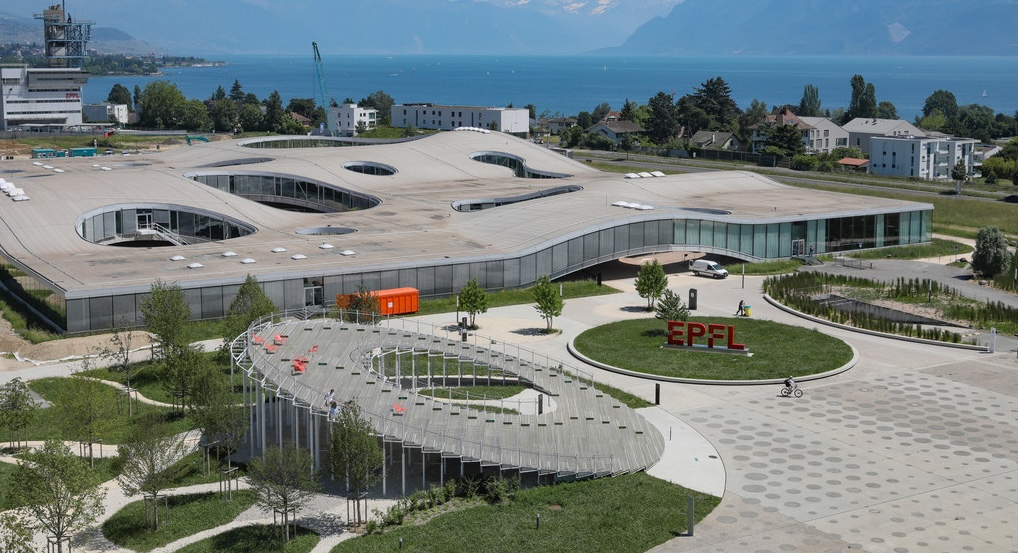
EPFL (École Polytechnique Fédérale de Lausanne) is one of Switzerland’s leading science and engineering universities and one of Europe’s most internationally recognized technical institutions. Located in Lausanne, EPFL is especially strong in engineering, computer science, natural sciences, life sciences, architecture, environmental studies, data science, and interdisciplinary innovation. It is widely known for its research intensity, global outlook, and strong innovation ecosystem.
History
EPFL traces its origins back to 1853, when it was founded as the École Spéciale de Lausanne. Over time, the institution evolved through several stages and gradually developed from a regional engineering school into a major federal institute of technology in Switzerland. In 1969, it officially adopted the name École Polytechnique Fédérale de Lausanne. Since then, EPFL has grown into a world-class research university with a strong reputation in education, research, and technological innovation.
Notable Alumni
EPFL has educated and attracted many influential figures in engineering, computing, architecture, life sciences, fintech, and innovation-driven entrepreneurship. Its graduates are active in academia, high-tech industries, engineering firms, design, finance, and startup ecosystems. The EPFL alumni network has strong visibility across European science and technology communities.
Strong Academic Fields
EPFL is particularly strong in computer science, artificial intelligence, data science, electrical engineering, mechanical engineering, materials science, microengineering, civil and environmental engineering, architecture, life sciences and bioengineering, mathematics, physics, chemistry, robotics, and financial engineering. Many of its programs combine rigorous scientific foundations with laboratory practice, research training, and innovation-oriented applications.
Academic Structure
According to EPFL’s official overview, the university is organized around five schools and one college-level unit. These include schools focused on architecture, civil and environmental engineering; engineering; basic sciences; life sciences; and computer and communication sciences, along with a college-level structure related to management, technology, and entrepreneurship. This structure supports a broad academic range across science, engineering, computing, life sciences, architecture, and technology management.
Distinctive Features
EPFL is especially known for its international environment, research-driven culture, and strong emphasis on innovation and entrepreneurship. The university officially presents itself as one of Europe’s most cosmopolitan technical universities, welcoming students, faculty, and staff from a wide range of national backgrounds. It also stands out for close links between academic research, industry collaboration, startup creation, and interdisciplinary problem-solving in areas such as AI, robotics, sustainability, life sciences, advanced manufacturing, and digital technologies.
Admissions
Admission to EPFL is highly selective, especially at the graduate level. Bachelor’s study is primarily associated with French, and the university strongly recommends a high level of French proficiency. Master’s programs are mainly taught in English, and EPFL strongly recommends strong English proficiency for successful study. Master’s applications are evaluated based on academic background, grades, program relevance, references, and overall application quality. Depending on the applicant’s prior education system and the chosen program, additional academic requirements may also apply.