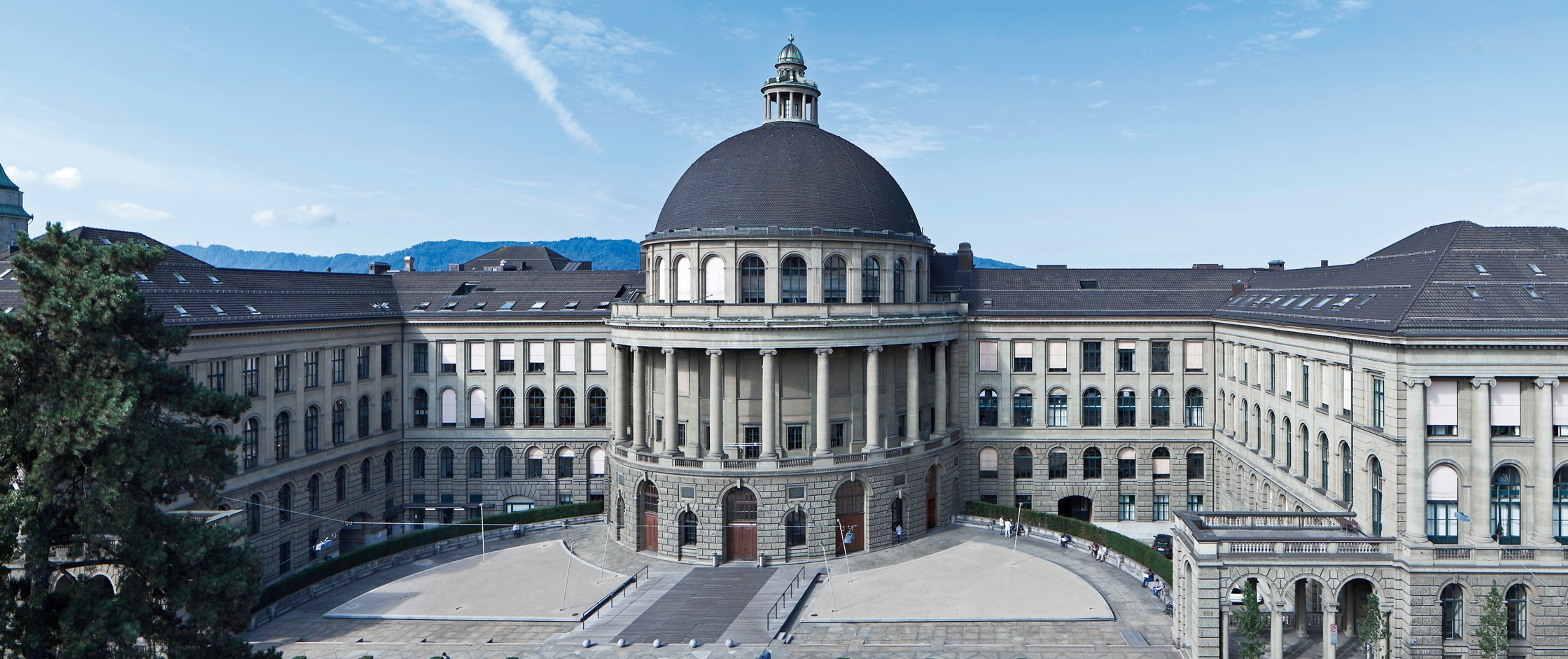
Overview
ETH Zurich, officially known as ETH – Swiss Federal Institute of Technology Zurich, is one of Europe’s most prestigious universities in science and engineering and one of Switzerland’s most influential institutions. It is especially strong in engineering, natural sciences, computer science, architecture, materials science, life sciences, and interdisciplinary research.
History
ETH Zurich was founded in 1855 as Polytechnikum. Since its establishment, it has played a key role in Switzerland’s scientific and industrial development. Over time, it has grown into a world-leading research university with strong foundations in both fundamental science and applied engineering.
Notable Alumni
One of ETH Zurich’s most famous alumni is Albert Einstein, who both studied and taught at the university. ETH Zurich is also associated with numerous Nobel Prize laureates and globally influential scientists and engineers.
Strong Academic Fields
ETH Zurich is particularly strong in computer science, artificial intelligence, electrical engineering, mechanical engineering, materials science, architecture, civil and environmental engineering, mathematics, physics, chemistry, biological sciences, earth sciences, and data science.
Academic Structure
The university includes departments such as Architecture; Civil, Environmental and Geomatic Engineering; Biosystems Science and Engineering; Computer Science; Electrical Engineering and IT; Materials; Mechanical and Process Engineering; Biology; Chemistry; Mathematics; Physics; Earth Sciences; Health Sciences; Environmental Systems Science; Management and Economics; and Humanities and Social Sciences.
Distinctive Features
ETH Zurich is known for its research-intensive environment, rigorous academic standards, and strong international community. It maintains close ties with industry and global research networks and excels in areas such as robotics, AI, sustainability, advanced engineering, and life sciences.
Admissions
Admission to ETH Zurich is highly competitive. Bachelor’s programs are mainly taught in German and require strong language proficiency. Some international applicants may need to take entrance examinations. Master’s admissions are highly selective and focus on academic performance, program fit, and research potential, often requiring additional materials such as recommendation letters or portfolios.